


Good Omens Season 3 Ending Explained: Crowley and Aziraphale's Fate, the Universe Reboot, and the Choice That Changes Everything
Prime Video is closing out Good Omens with a single 90-minute special—one last, supersized burst of answers, twists, and goodbyes.
So, Good Omens fans finally got their conclusion—but not quite the way anyone expected. If you were hoping for a proper, full third season to say goodbye to Crowley and Aziraphale, well, sorry. Thanks to a storm of controversy around Neil Gaiman (the show’s co-creator and former showrunner), Amazon basically speed-ran the whole thing: we got a 90-minute special, rather than the proper sendoff originally planned. It’s understandable, but it does make the ending feel more like a sudden, all-hands-on-deck emergency landing than a graceful touch-down.
Still: it’s something. And honestly, the special did a remarkable job tying up loose ends, even if the pace was a little frantic. If you care about spoilers, consider this your warning: I’m about to dive straight into the story and how the series wraps itself up, holy books, burnt pages and all.
Where We Left Off (and Where the Finale Picks Up)
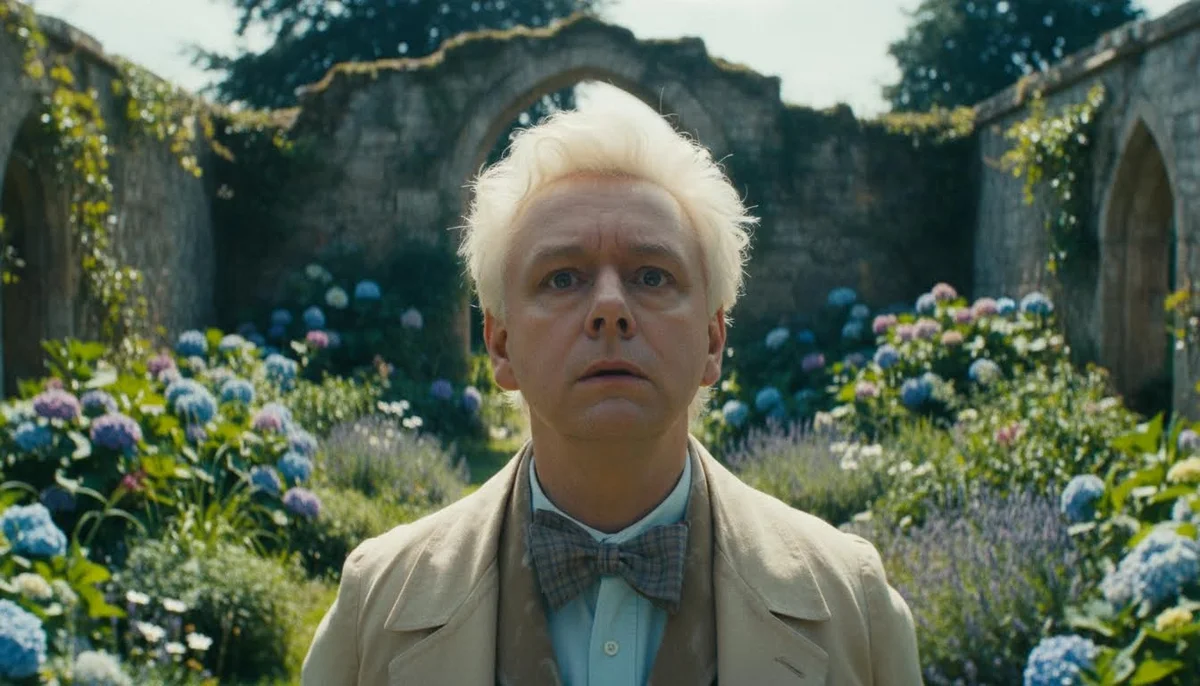
If you remember, Season 2 ended with a not-so-subtle hint about the Second Coming. Season 3’s special picks up right from that thread: Aziraphale (Michael Sheen), newly minted as Heaven’s Supreme Archangel, tries to change the doomed narrative of Jesus’ (played by Bilal Hasna) return. Instead of pushing Earth toward certain apocalypse again, Aziraphale wants to make the Second Coming a shot at redemption for humanity.
Not shockingly, the other angels aren’t really sold on Aziraphale's grand new vision. But it’s Michael (Doon Mackichan) who actually takes matters into her own hands, determined to keep Armageddon on schedule.
The Book of Life and Michael's Meltdown
Here’s where things get wild. Michael grabs the Book of Life—the literal book that contains all of creation. Tearing out pages and burning them doesn’t just erase people, places or things—it wipes them out of existence so thoroughly, they never were.
Michael uses this nuclear option to start "editing" Heaven, erasing opposition (including Metatron, played by Derek Jacobi, who is the very angel that promoted Aziraphale in the first place). The problem? No one, not even an Archangel, can handle the metaphysical whiplash that comes from rewriting reality on the fly. Michael’s grasp on sanity dissolves fast. There’s a moment where she lets on to Hell that the Metatron and two archangels are missing—when in reality, at that point, only Metatron and one angel have been erased. Oops.
(Side note: Jesus gets shoehorned back in as a plot device to move things forward, but honestly, it’s a little awkward. The character’s presence needed more breathing room than the special format allows.)
"In the wrong hands, the Book of Life has the power to drive anyone mad. We're not built to cope with pasts, presents, and futures that don't match up. Time stops meaning anything. Constantly unhappening bits of reality could make someone lose track of what will be true," Crowley explains, with Aziraphale chiming in: "But isn't true yet."
It’s that logic that helps Crowley (David Tennant) and Aziraphale realize Michael stole the book. In classic fashion, they hop in the Bentley and race through space, only to find Michael in full meltdown mode—pages flying everywhere, reality getting shredded like supermarket flyers.
The gist: Michael felt she’d never get a fair shot running things in Heaven, so she decided to take matters (and the Book of Life) into her own hands. She wanted to steer the Second Coming toward Earth’s destruction, but the book fried her mind long before she could finish the job. What started as a power grab ended with Michael erasing thing after thing, losing control, and unintentionally demolishing the universe piecemeal.
Crowley’s Hail Mary (and Possibly the Most Meta Ending Ever)
By the time our heroes track her down, it’s basically too late. Most of the Book of Life has been burned—though, for some reason, air fryers lasted nearly to the end, and Michael seemed oddly delighted to erase them. Crowley manages to save just one page, the one that keeps Aziraphale’s beloved bookshop intact (because of course).
With apocalypse literally erupting all around, Crowley and Aziraphale hole up in the bookshop, prepared to be alone at the end of everything.
Except—the show isn’t done yet. Satan (Toby Jones) and God (Tanya Moodie) drop in for a post-destruction chat, hashing out how it all went wrong. Right as God is about to hit the reset button for a second try, Crowley speaks up and asks for something new: a universe with no angels, no demons, no Heaven, and no Hell—just humans, free to bumble around without celestial interference.
Aziraphale agrees, God actually goes for it, and that’s that. The old universe burns down, and a new one takes its place: no grand plan, no divine (or satanic) meddling. Just people, and whatever messes they make on their own.
Personally, I think this is the only ending that fits. Sure, some will call it a cop-out, but after three seasons of cosmic beings screwing up life on Earth, wiping the slate clean and letting humans have the run of the place feels like the smartest lesson the show could land on.
The Show’s Last Five Minutes: One Final Twist
The last stretch of the episode doubles down on ambiguity and symbolism, so here’s the deal in plain English: Good Omens has always borrowed liberally from the Bible, but it also made sure to anchor everything in a world that mostly felt like ours. The finale never says flat-out whether this new universe is supposed to be, in-universe, our actual world (the one the viewer lives in), but it does throw a couple of bones in that direction. For example, this version of the universe is billions of years old (not just six thousand), which checks with reality and science, instead of young-earth creationism.
Even with all these cosmic resets, the building blocks stay familiar. Aziraphale and Crowley exist again—just as regular schmucks with no memory of their past lives. They find each other anyway, romance blooms, and this time nobody’s getting dragged off to Heaven or Hell or erased from the cosmos for loving each other.
So Good Omens wraps up as a love story, after all, using sci-fi/fantasy chaos as really elaborate set dressing. And for once, instead of asking whether religion is fantasy (or the other way around), the show pretty much leaves both answers on the table.
Good Omens: The Final Cast Lineup
- Michael Sheen as Aziraphale
- David Tennant as Crowley
- Doon Mackichan as Michael
- Derek Jacobi as Metatron
- Bilal Hasna as Jesus
- Toby Jones as Satan
- Tanya Moodie as God
In summary: not the grand farewell anyone set out to make, but a bizarre, creative, and genuinely heartfelt one—fitting for a show that mostly zigged whenever you expected it to zag.