


Quentin Dupieux Pushes Back Against David Lynch Comparisons
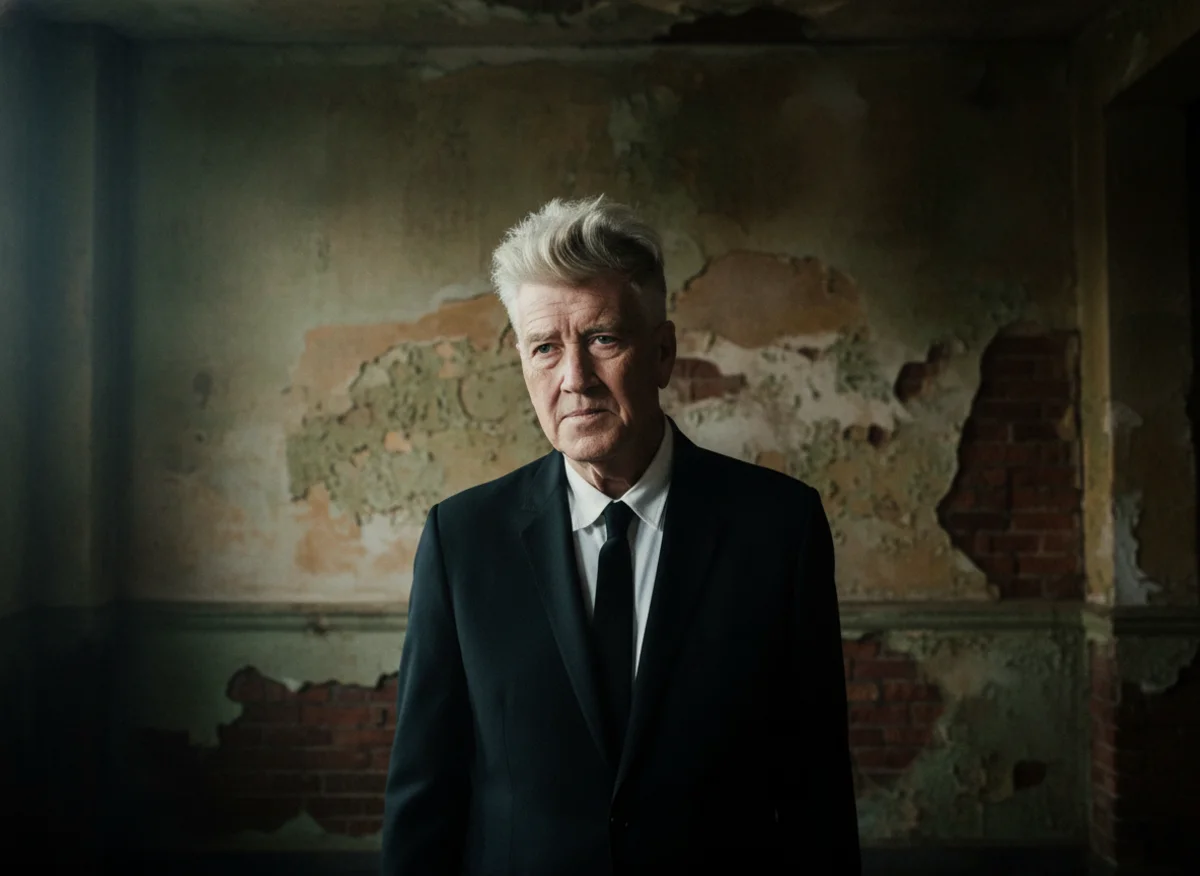
French filmmaker Quentin Dupieux, famed for his offbeat and surreal films, voices his irritation at being likened to David Lynch, insisting on being seen as a distinct creative force.
It’s often said that comparison is the enemy of happiness, but for many, being likened to a cinematic icon such as David Lynch might seem a compliment. For Quentin Dupieux, however, the constant parallels drawn between his work and Lynch’s are more of a hindrance than a badge of honour. As an artist who pours his individuality into every project, Dupieux finds these associations diminish his own creative identity, despite his admiration for Lynch’s unique vision.
Known for his penchant for the surreal and the absurd, Dupieux has carved out a reputation with films like ‘Reality’ (2014) and the César-nominated ‘Yannick’. His style, while undeniably eccentric, is distinctly his own. Yet, the shadow of Lynch looms large, with critics and audiences alike quick to draw connections between the two directors’ explorations of the bizarre and the dreamlike. For Dupieux, these comparisons are not only tiresome but also misleading, as they fail to acknowledge the nuances that set his work apart.
Creative Frustrations and Artistic Identity
Dupieux’s frustration is rooted in the desire to be recognised for his own contributions to cinema. While Lynch is celebrated for his mastery of the space between reality and the subconscious, where everyday life is tinged with menace and mystery, Dupieux’s approach is more playful, often blending absurdity with a dry sense of humour. The French director’s films invite viewers into worlds that are both familiar and utterly strange, but always with a wink rather than a shudder.
Despite his respect for Lynch, Dupieux is clear about his stance.
“A bad way to present my work,”
he remarks, highlighting how such comparisons can feel like a disservice to his originality. For an artist striving to forge a path that is unmistakably his own, being constantly measured against another can be a source of genuine irritation.
Beyond the Camera: Music and Multidisciplinary Artistry
Dupieux’s creative output extends well beyond filmmaking. Under the alias Mr Oizo, he has released a string of electronic music projects, further blurring the lines between his cinematic and musical endeavours. This multidisciplinary approach echoes Lynch’s own ventures into music, though their sonic landscapes differ markedly. Where Lynch’s compositions are often industrial and haunting, Dupieux favours a more electronic, sometimes tongue-in-cheek style.
Listeners familiar with Dupieux’s films will recognise the same offbeat sensibility in his tracks. Take, for instance, ‘The Church’, where a distorted voice narrates an unsettling tale over a pulsing beat:
“Today, with my friends, we don’t know what to do/ So we watch a movie/ But it’s a movie about cancer/ So we…”
The absurdity and unease that characterise his films are mirrored in his music, yet the overall effect remains distinctly his own.
Prolific Output and the Challenge of Originality
In recent years, Dupieux has been remarkably productive, releasing seven films since 2020. This burst of creativity has only intensified the scrutiny of his work, with each new project prompting fresh comparisons to Lynch. Yet, for Dupieux, the challenge lies in asserting his individuality amidst the noise. He continues to push boundaries, crafting films and music that defy easy categorisation, all while resisting the urge to be pigeonholed alongside his American counterpart.
For audiences and critics alike, the temptation to draw parallels between artists is understandable. Still, for Dupieux, the hope remains that his work will be appreciated on its own terms, free from the long shadow cast by those who came before.