


'Nice to have': Netflix shrugs off losing Harry Potter and Batman with a Canadian sea monster
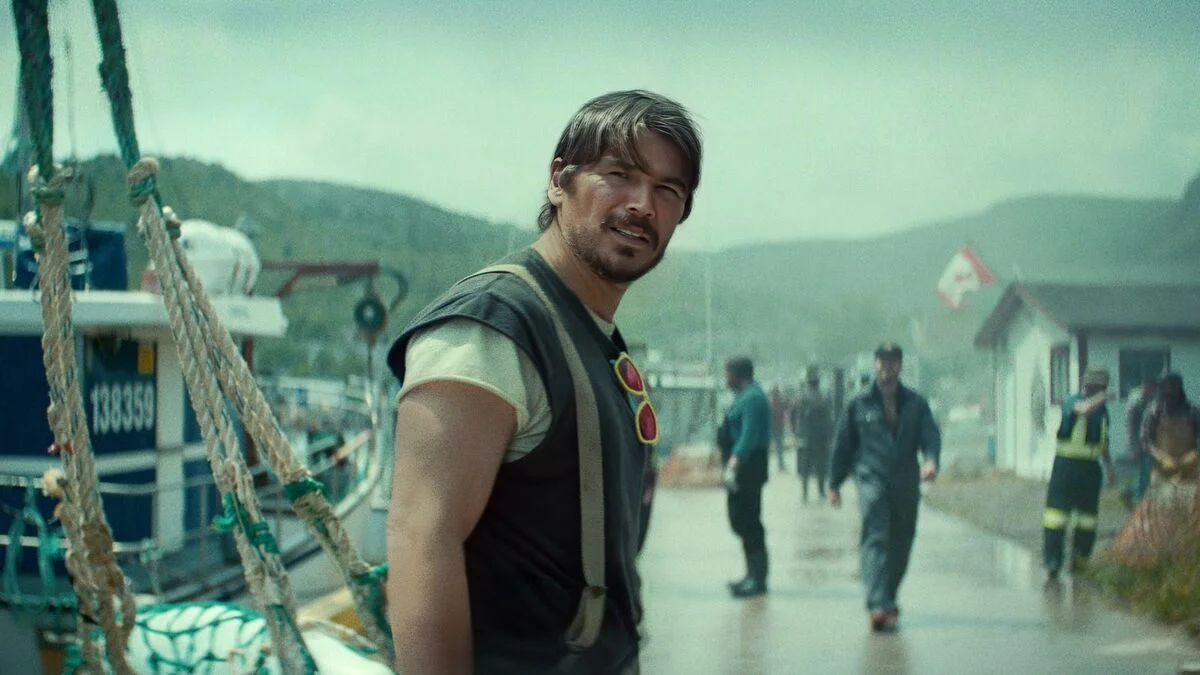
Warner Bros. went to David Ellison for $111 billion. Netflix walked away with a $2.8 billion consolation prize and a fisherman from Newfoundland.
Bela Bajaria has no regrets. Speaking at MIPCOM in Cannes on 12 October 2026, Netflix's chief content officer brushed off the streamer's failed attempt to buy Warner Bros. Discovery, repeating her boss Ted Sarandos almost word for word: the studio was "always a nice to have at a certain price, not a must have at any price".
"We are financially disciplined," she told the audience. "We knew what we had and what the opportunity was."
Then she picked an example of what Netflix has instead. Not Stranger Things, not Squid Game. She picked Below, a six-episode Canadian series about a sea monster off the coast of Newfoundland, which came out on 8 October and which, she said, is already number one in more than 80 countries, France included.

The studio that got away
For a few months, Netflix actually had the deal signed. Sarandos was still in Washington lobbying for it on the day it fell apart, lost to a rival who simply paid more:
- 5 December 2025: Netflix agrees to buy Warner Bros. and HBO Max for $27.75 a share, about $82.7 billion. The cable channels are not part of it.
- 26 February 2026: Paramount Skydance offers $31 a share in cash for the whole company, roughly $111 billion including debt. The WBD board calls it "superior", and within two hours Netflix declines to match.
- 6 October 2026: The merger closes. Paramount and Warner Bros. Discovery become one company, Skydance Corp., run by David Ellison.
Read more: Ten days in, Netflix’s 7-part western masterpiece already owns 2026 TV
What went to Ellison: Harry Potter, Batman and the rest of DC, Game of Thrones and the entire HBO back catalogue. What Netflix walked away with: a $2.8 billion termination fee, which Paramount agreed to cover. As consolation prizes for losing an auction go, not bad.
Netflix lost Hogwarts and Gotham, and sent a widowed fisherman from Newfoundland to make the point.
Sarandos and co-CEO Greg Peters used the same word back in February: "we've always been disciplined". Seven months on, the line has not changed. Only the evidence has.
A sea monster in Snook's Arm
Below, created by Jesse McKeown, opens in 1986, when nine-year-old Calvin Penney has to cut a tow line and leave his father to drown. Forty years later, Josh Hartnett plays the grown-up Calvin. The fishing in Snook's Arm has long dried up, so he and his son Wade (Charlie Heaton, Jonathan from Stranger Things) sell ice to a local vodka brewery and let rooms on Airbnb. Then the brewery rejects his latest haul because of the smell, and marine scientist Fonda Howander (Mackenzie Davis) gets involved.
Variety called it "a perfectly paced thriller", with one caveat: Hartnett's "hilarious attempt at a Newfoundland accent".
To be fair to Bajaria, that is exactly the argument she was making. A modest local series with no franchise behind it can still travel the world, and Netflix has been cashing in on that since La Casa de Papel.
"We don't programme for a narrow demographic. We can see that audiences want variety."
— Bela Bajaria, at MIPCOM
The same speech had another number in it. Bajaria said Netflix takes up only around 5% of the world's TV time, which leaves plenty of room to grow. That same week, Puck reported that Netflix is preparing a restructuring that would cut about 5% of its staff. With roughly 16,000 full-time employees at the end of 2025, that is around 800 jobs. Netflix declined to comment, and Bajaria didn't address it on stage, saying only that the company will keep investing and "expand".
Sarandos was more candid last month: "Yes, overall, we're not growing as fast as I want us to." Netflix reports its third-quarter results on 20 October. Gotham was nice to have. In a week, shareholders find out whether a sea monster is enough.
Read more: HBO's Harry Potter premieres at Christmas — so may a BBC documentary on Rowling's 'contested legacy'