


How Fantasia Sparked Robert Redford’s Cinematic Journey
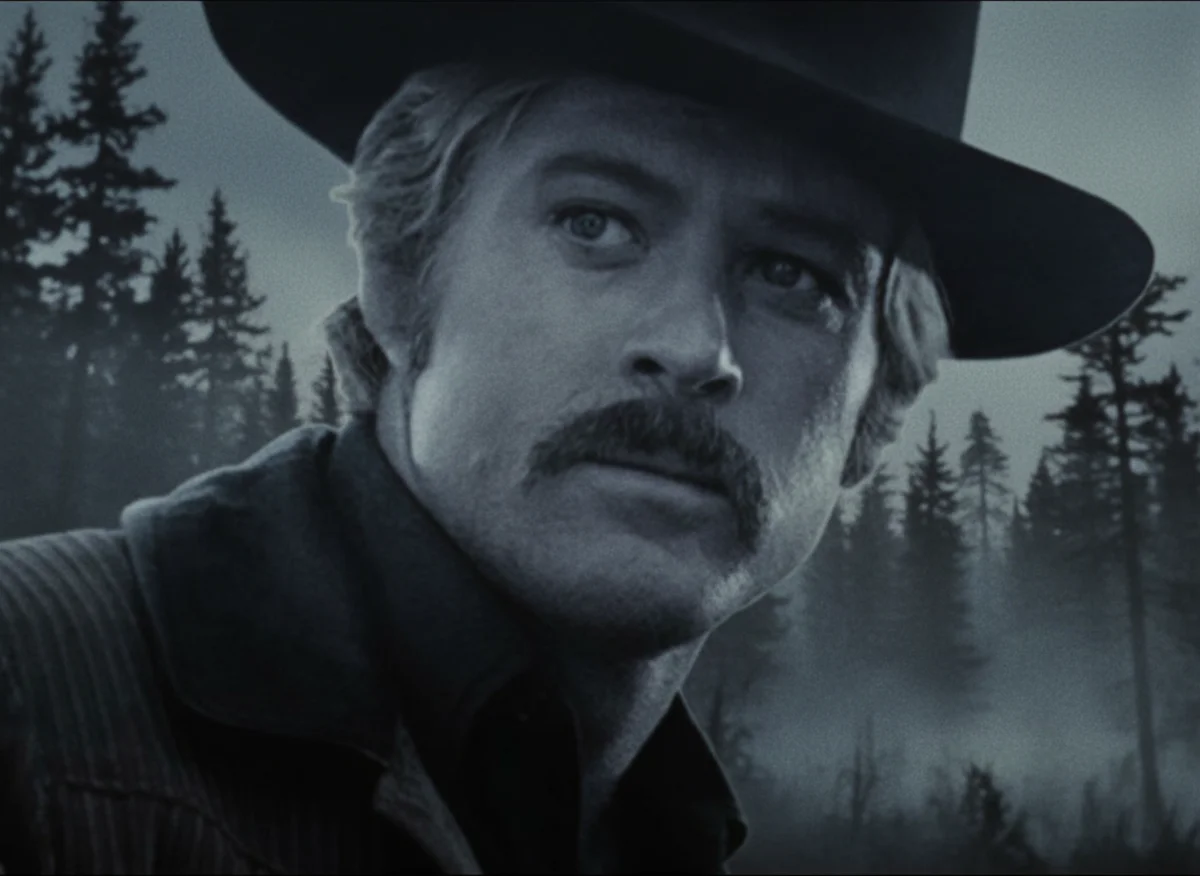
Robert Redford shares how his first cinema experience with Fantasia shaped his vision for film and inspired the creation of Sundance Cinemas.
There are actors, there are stars, and then there are those rare individuals who redefine the very notion of screen presence. Robert Redford, who passed away in 2025 at the age of 89, belonged firmly in the latter camp. His influence extended far beyond his own performances, as he championed new voices and independent productions through the renowned Sundance Film Festival. His absence is keenly felt in the world of film, a space he helped to shape for decades.
Redford’s path to cinematic greatness was, like many, shaped by the films he encountered in his youth. While his own roles in works such as Butch Cassidy & The Sundance Kid brought him widespread recognition, and his directorial turn in Ordinary People proved his versatility, it was the films of earlier decades that left a lasting mark on him. These formative experiences led to a curiosity about the origins of his passion for the screen.
Early Impressions and Lasting Memories
During a conversation with Moviemaker, Redford was asked to recall the first film he ever watched in a cinema. His response was immediate and enthusiastic:
I do! It was Fantasia, and I remember being blown away by it
Released at a crucial moment for Disney, Fantasia was an unusual offering, even by today’s standards. The film presented a collection of animated segments, each set to classical music, with the most memorable being ‘The Sorcerer’s Apprentice’, featuring Mickey Mouse in a rare moment of chaos and magic gone awry.
The project was conceived as a way to breathe new life into Disney’s iconic mouse, whose popularity had waned since his heyday. Without Fantasia’s success, it is quite possible that Mickey Mouse would not have endured as the cultural figure he is today. Redford, just four years old when the film debuted, did not specify exactly when he saw it, but it is clear the experience occurred early in his life, well before the film’s resurgence in the 1960s.
Nostalgia for a Bygone Era
Redford’s recollection of his first cinema visit is tinged with nostalgia for a time when going to the pictures was a full cultural event. He reminisced,
It used to be you went and had a whole cultural experience, cartoons, shorts, newsreels and no trailers
This longing for a richer, more communal experience at the cinema would later inspire him to establish Sundance Cinemas in 2007. His vision was to recreate the sense of occasion that once defined a trip to the local picture house.
He mused on the idea:
What if we brought that back with [a] Sundance product? We could show a variety of films in a centre with a bar, a restaurant and a film library? Where the whole community could gather for a community experience? They’ve been very successful.
The concept was to offer more than just a screening, but a place where people could come together, share in the enjoyment of film, and rediscover the communal spirit that once characterised the cinema-going experience.
Fantasia’s Enduring Influence
Fantasia remains a singular experience, and it is hardly surprising that it left such a profound impression on a young boy who would later become a towering figure in the industry. The film’s blend of music, animation, and imagination set a standard for what cinema could achieve, and for Redford, it was the spark that ignited a lifelong passion for the art form.