


Arctic Legends and Love: ‘Wrong Husband’ Film Review
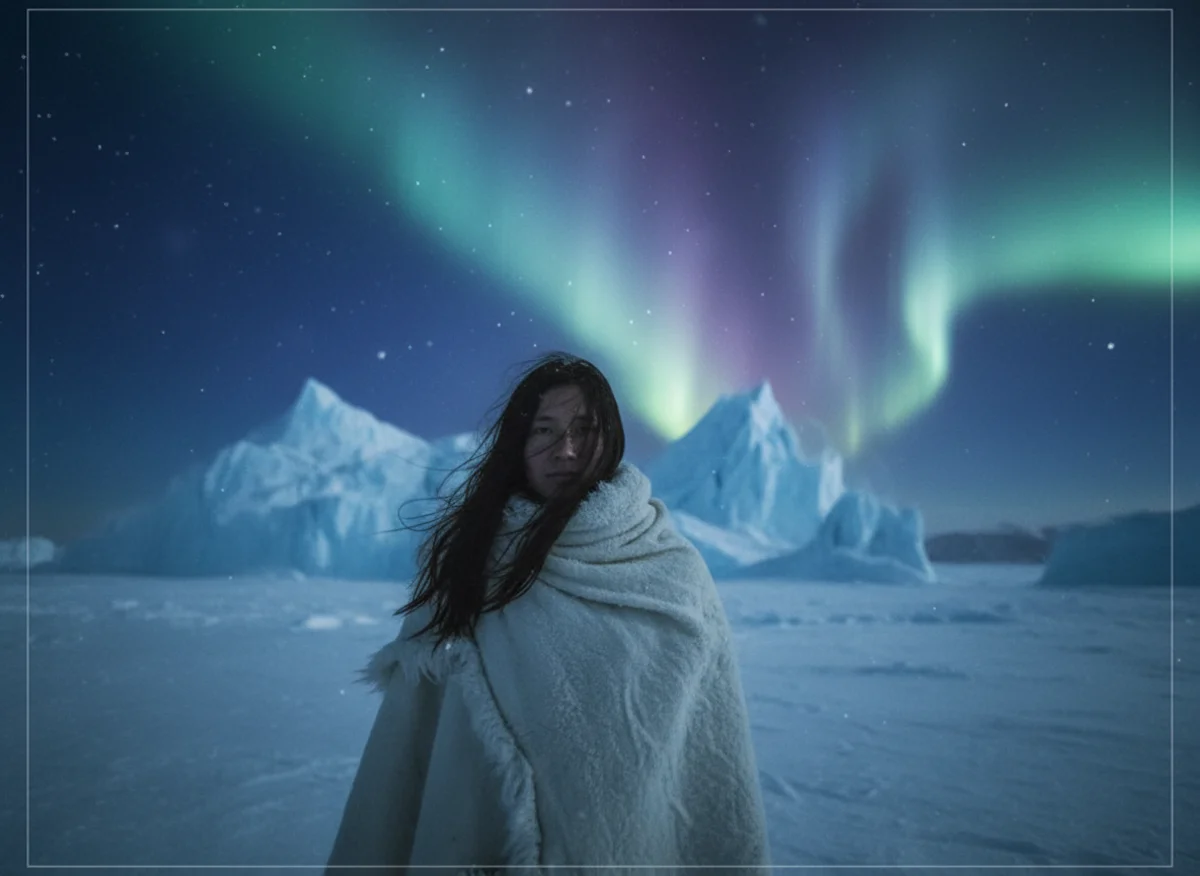
Set in the Arctic, ‘Wrong Husband’ weaves Inuit myth and magical realism into a tale of love, resilience, and the eternal battle between light and darkness.
‘Wrong Husband’ arrives as a striking example of magical realism, directed by acclaimed Inuit filmmaker Zacharias Kunuk, whose earlier work, Atanarjuat: The Fast Runner, garnered international recognition in 2001. This latest film transports viewers to the ancient Arctic, where the story of Kaujak and Sapa unfolds. Childhood sweethearts, the pair have long been promised to one another, but their future is thrown into uncertainty when Kaujak’s father passes away. Forced to relocate to a neighbouring settlement ruled by a cold-hearted leader, Kaujak finds herself separated from Sapa, while the men of her new home compete for her affection.
Folklore and the Supernatural
Drawing deeply from Inuit tradition, the narrative is laced with mythological figures who shape the destinies of the characters. These supernatural beings, rendered through inventive animation, bring a surreal quality to the otherwise grounded tale. A mischievous, troll-like entity sows discord, while a kindly fog spirit acts as a messenger, bridging the gap between distant loved ones. The interplay between these forces of good and evil adds a layer of complexity, echoing the timeless struggle found in classic fairy tales.
Cultural Authenticity and Language
Kunuk’s commitment to authenticity is evident throughout. The film is performed entirely in Inuktitut, with no concessions made for those unfamiliar with the language or customs. Rituals, daily routines, and the measured cadence of conversation are presented without embellishment, offering a window into a world rarely depicted on screen. The Arctic landscape, both beautiful and forbidding, is captured in all its stark majesty, grounding the magical elements in a tangible reality.
Endurance, Hope, and Universal Themes
At its heart, the film explores themes of perseverance, bravery, and the shared experiences that unite people across cultures. While the setting and traditions are distinctly Inuit, the emotional core is universal. The slow, deliberate pacing and understated performances lend the story a sense of gravity, while moments of warmth and humour prevent it from becoming too austere. The result is a narrative that feels both timeless and immediate, inviting audiences to lose themselves in a world where love and magic coexist.