


Nia DaCosta on the Film That Changed Her Life
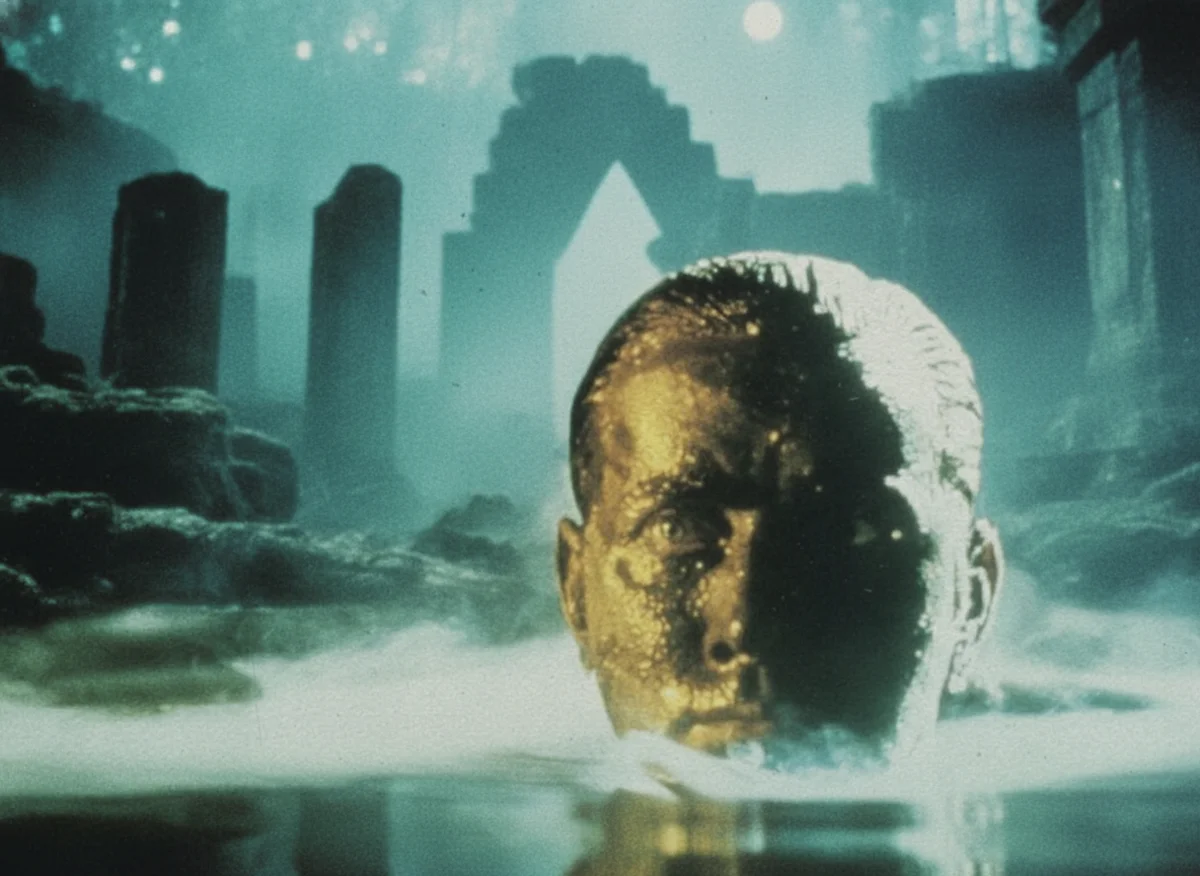
Nia DaCosta reveals the unlikely film that sparked her directing ambitions, reflecting on its notorious production and lasting influence. Her own career, meanwhile, continues to defy expectations.
It’s a curious thing, the way a film can leave such a mark on a person that it shapes the entire course of their career. For Nia DaCosta, that pivotal moment arrived courtesy of Francis Ford Coppola’s infamous 1979 war epic. While her latest project, 28 Years Later: The Bone Temple, has struggled to make a dent at the box office, the director’s reputation for versatility and flair remains undimmed. Audiences and critics alike have found much to admire in her work, even if the numbers haven’t quite matched the buzz.
Some have wondered whether the film’s timing was off, coming so soon after Danny Boyle’s third entry in the same franchise. Others point to the muddled naming conventions, which may have left viewers unsure whether they’d already seen it. Whatever the reason, the film’s commercial performance hasn’t lived up to expectations. Yet, with a script from Alex Garland and performances from Jack O’Connell and Ralph Fiennes, the ingredients were all there. DaCosta herself, fresh from the success of Candyman and the award-nominated Hedda, has become one of the most sought-after directors working today.
Finding Inspiration in Chaos
DaCosta’s range is nothing if not impressive. She’s tackled everything from superhero blockbusters to psychological drama, and she’s never been shy about her influences. Among them, one title stands out for its sheer scale and notoriety. Speaking about Apocalypse Now, she once told Ioncinema,
“I found this in high school by way of Joseph Conrad’s Heart of Darkness. The sheer fucking audacity of this movie and the people who made it make it one of my all-time favourites and biggest inspiration for becoming a director.”
Coppola’s Vietnam odyssey is legendary for its troubled shoot. The production spiralled over budget and schedule, with Martin Sheen suffering a heart attack, Harvey Keitel walking away mid-filming, and typhoons laying waste to the set. At one point, the crew found themselves under police scrutiny after a local supplied real human corpses for use as props—he turned out to be a grave robber, and the authorities swiftly intervened. Coppola even resorted to writing a desperate letter to George Lucas, hoping to secure funds off the back of Star Wars’ runaway success.
Legacy of a Cinematic Gamble
Despite the chaos, Apocalypse Now eventually saw the light of day two years behind schedule. Against the odds, it raked in five times its budget and picked up eight Oscar nominations, winning two—including Best Cinematography. Coppola would later revisit the film, releasing a 202-minute redux in 2001. The film’s legacy, both as a work of art and a cautionary tale, clearly left a deep impression on DaCosta.
Her own approach to filmmaking has been marked by a willingness to take risks and cross genres. She’s written for nearly every major project she’s directed, and her next venture—a television series called Southern Bastards—centres on a war veteran’s journey to Alabama in search of her father, only to stumble into a world of crime. It’s a premise that promises more of the bold storytelling that has become her trademark.
What’s Next for the Franchise?
As for 28 Years Later, the future of the trilogy hangs in the balance. The decision to move forward with a final instalment will depend on how the latest chapter fares once all is said and done. Should it go ahead, Alex Garland is expected to return as writer, with Danny Boyle likely to resume directing duties. There’s even talk of Cillian Murphy reprising his role as Jim, alongside Brendan Gleeson, harking back to the original 2002 film.